Sustainable Fabrication in Sports Venue Branding

Sustainability isn’t just a buzzword anymore, it’s shaping how teams and event production companies build, brand, and operate their venues. Across sports stadiums and arenas, there’s a growing shift toward eco-friendly fabrication that reduces environmental impact while enhancing fan experiences.
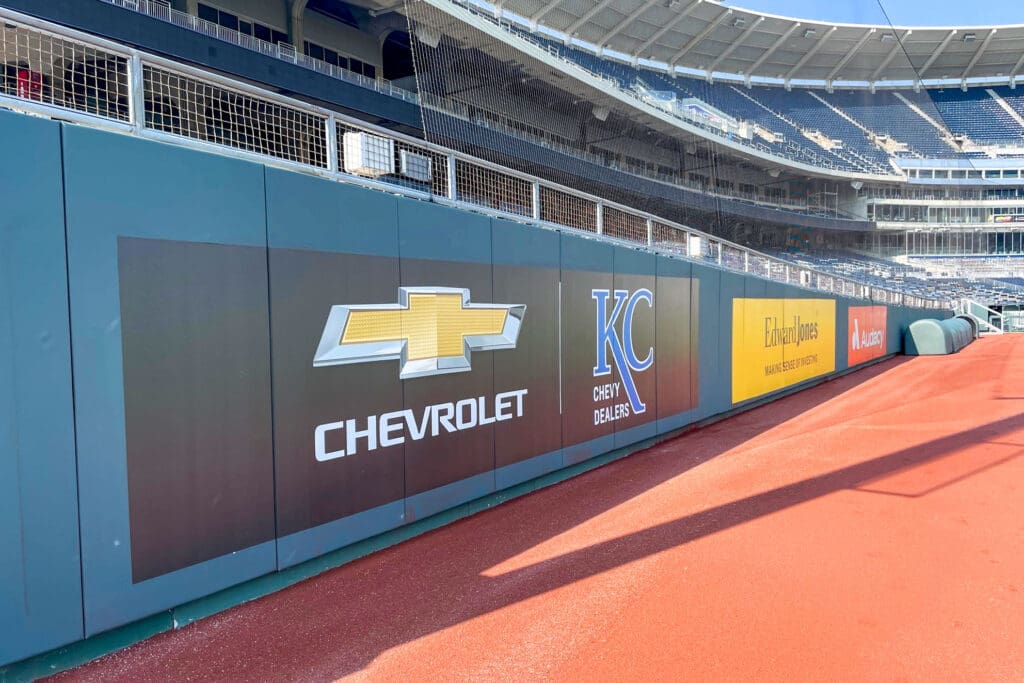
Sports venues are increasingly using sustainable materials like recycled steel, reclaimed wood, and plant-based composites to create everything from custom event signage to large-scale wayfinding systems. These choices lower the environmental footprint of stadiums, positioning them as leaders in greener event production and design. At Pinpoint, this includes specifying environmentally responsible materials whenever possible, such as 3M™ Envision™ Print Wrap Films, which offer reduced environmental impact without sacrificing durability or visual impact. We’ve utilized these eco-friendly films across projects like the Kansas City Royals, ensuring sustainability is built directly into high-traffic branded environments.

Recycled and Upcycled Materials
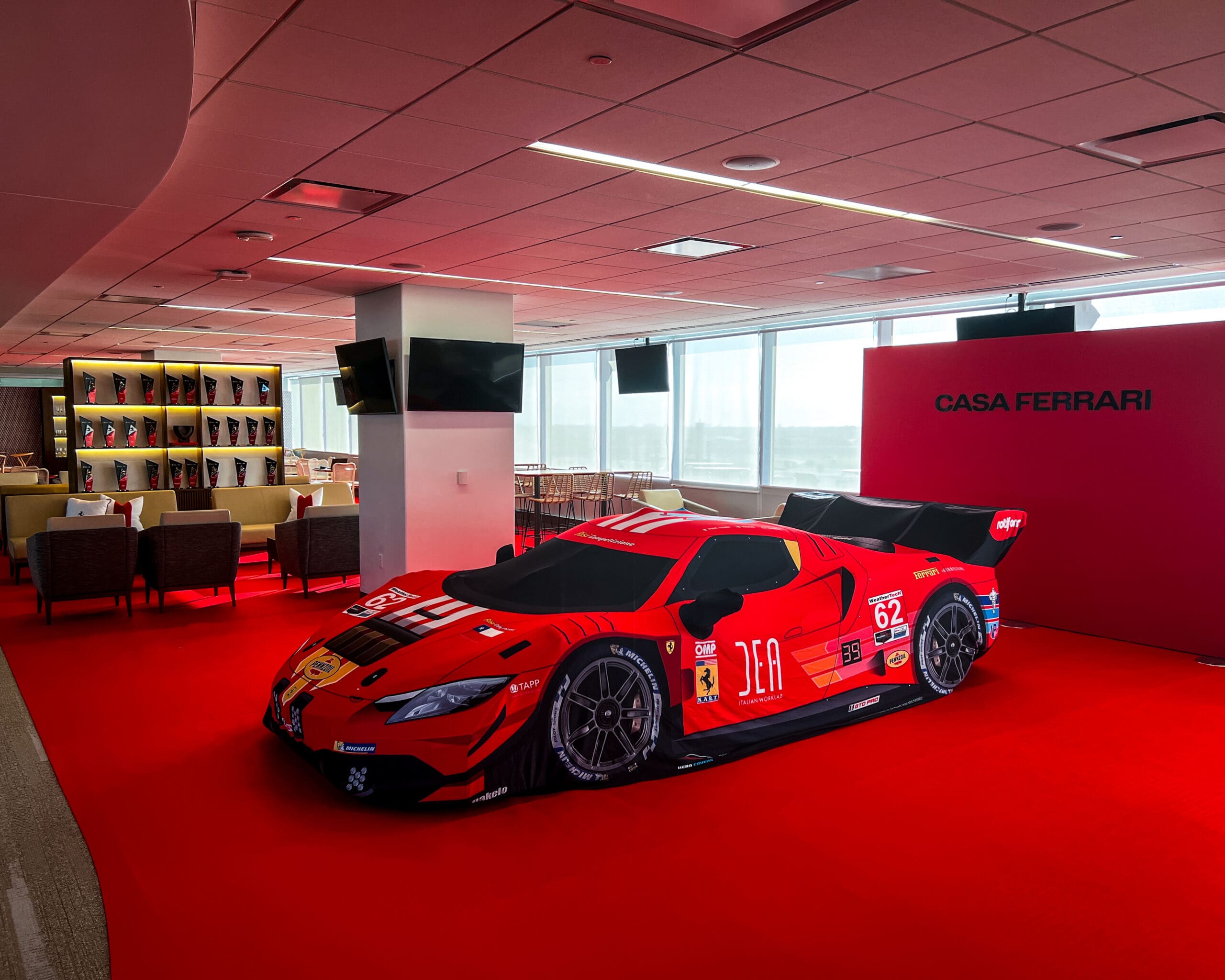
One of the biggest shifts in sports venue fabrication is the use of recycled or upcycled materials, giving new life to what would otherwise be waste. Some venues now feature seats and signs made from recycled plastics, while others highlight locally sourced or rapidly renewable materials such as bamboo, which grows quickly and replenishes easily. On projects tied to environmental initiatives, we’ve also incorporated materials like Falconboard®, a lightweight, recyclable honeycomb paperboard used in our 1% for the Planet work, proving that sustainability and structural performance can coexist. By embracing these alternatives, teams reduce their carbon footprint while inspiring fans and local communities to think more sustainably.

Smarter Energy and Waste Practices
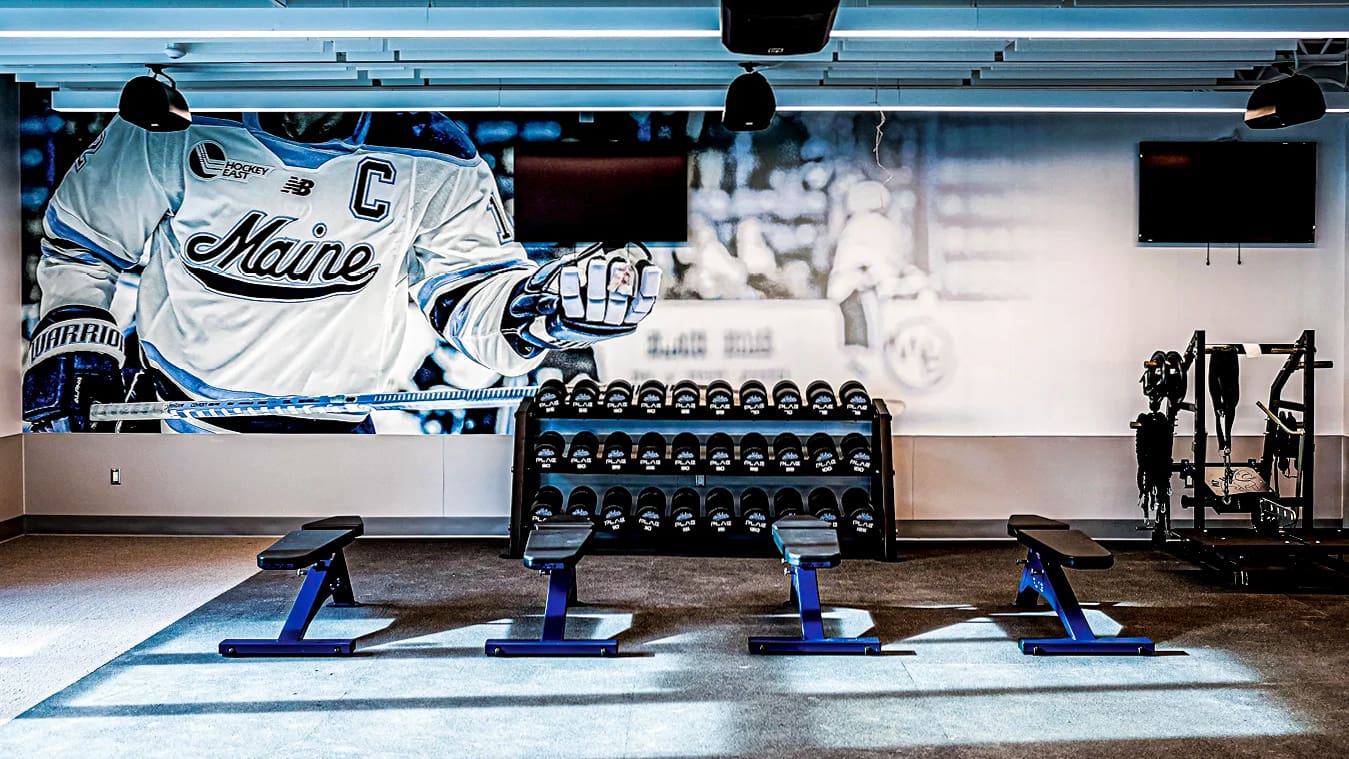
Sustainable fabrication also extends to how venues manage energy and materials. Many are cutting back on single-use plastics, adopting digital signage to reduce printed waste, and incorporating energy-efficient or solar-powered lighting for branding elements. Material selection plays a key role here as well, for example, using long-lasting, high-performance vinyls like 3M™ IJ480 (recently utilized on the University of Maine project) helps extend lifecycle performance while minimizing replacement and maintenance over time. These strategies often result in long-term savings and lower operational costs, reinforcing the business case for sustainable design.
Connecting with Fans Through Sustainability
Being eco-conscious does more than benefit the planet, it builds connection. Teams that prioritize sustainability often host “green games” or community initiatives that engage supporters in environmental causes. Fans appreciate seeing their favorite teams take real, visible action, and venues that lead by example strengthen their brand identity while making a positive impact beyond the game.
As this movement grows, sustainable fabrication is becoming a standard in event marketing, experiential events, and sports branding, showing that innovation, performance, and environmental responsibility can thrive together.