
Sustainability and Style: Eco-Conscious Fabrication for the Modern Venue

Sustainability is no longer separate from design, it’s shaping the look, feel, and materials of today’s branded environments. Across sports facilities, retail spaces, and beauty events, brands are embracing eco-conscious fabrication as a way to align environmental responsibility with elevated aesthetics. The result is a new generation of branded spaces where sustainability and style work together, not in opposition.
As expectations rise, venues and brands are looking beyond surface-level solutions. Eco-authenticity now means selecting materials, fabrication methods, and construction strategies that support both long-term performance and visual impact, especially in high-traffic, high-visibility environments.

How Sustainable Materials Are Reshaping Branded Environments
The materials used in branded spaces play a significant role in both environmental footprint and design language. Recycled metals, reclaimed wood, recyclable substrates, and responsibly sourced composites are increasingly being specified for environmental branding and custom fabrication projects. These materials introduce texture and character while reducing waste and reliance on virgin resources.
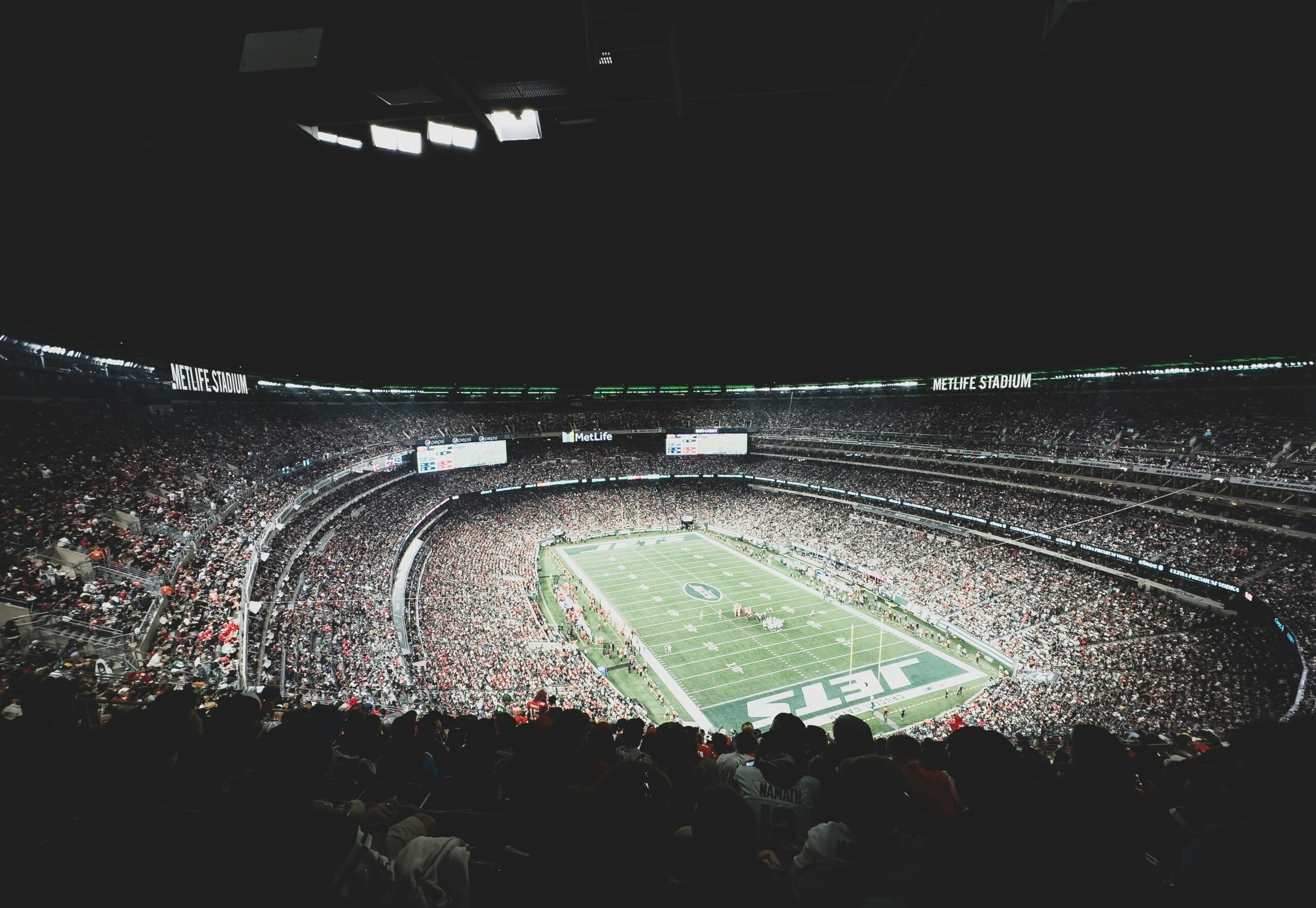
In sports venues and retail environments alike, sustainable materials are being integrated into everything from dimensional signage and wall features to pop-up structures and event installations. When thoughtfully fabricated, these elements deliver the durability required for demanding environments while reinforcing a brand’s commitment to responsible design.

Eco-Authenticity in Sports, Retail, and Beauty Activations
Eco-conscious fabrication is influencing how branded environments look and feel across industries. In sports facilities, sustainable materials support large-scale environmental graphics and permanent builds designed for longevity. In retail and beauty events, lighter-weight recycled substrates and modular systems allow brands to create visually striking activations with reduced material waste.
This approach also supports flexibility. Modular, reusable components can be reconfigured across multiple events or locations, extending the life of fabricated assets. For brands focused on sustainability, this balance of adaptability and performance is essential to creating responsible yet impactful experiences.

Integrating Recycled and Upcycled Elements into Signature Builds
Incorporating recycled or upcycled materials into branded environments requires intentional design and fabrication planning. Early material selection, engineering for structural integrity, and understanding lifecycle performance are key to ensuring these elements meet both aesthetic and functional requirements.
When executed well, recycled and upcycled components add authenticity and visual interest to signature builds. From textured wall panels to dimensional brand elements, eco-conscious fabrication allows sustainability to become a visible, meaningful part of the environment, not an afterthought. As modern venues continue to evolve, the future of environmental branding will be defined by solutions that combine sustainability, durability, and design excellence at scale.